Finding the Right Fishkill Paving Contractor for Durable Driveways and Pavement
Finding the Right Fishkill Paving Contractor for Durable Driveways and Pavement
Blog Article
Reliable Paving Contractor for Durable Driveways and Roads
Appointing a reliable surfacing expert is essential for producing durable driveways and roads. Strategic selection ensures resilience and caliber in paving projects. Elements comprising track record, client testimonials, and material expertise substantially impact the outcome. Comprehending the nuances of investment and maintenance can equally strengthen the decision-making process. As property owners review their alternatives, several key aspects demand attention careful evaluation to secure a prudent investment. What should they prioritize in their search?
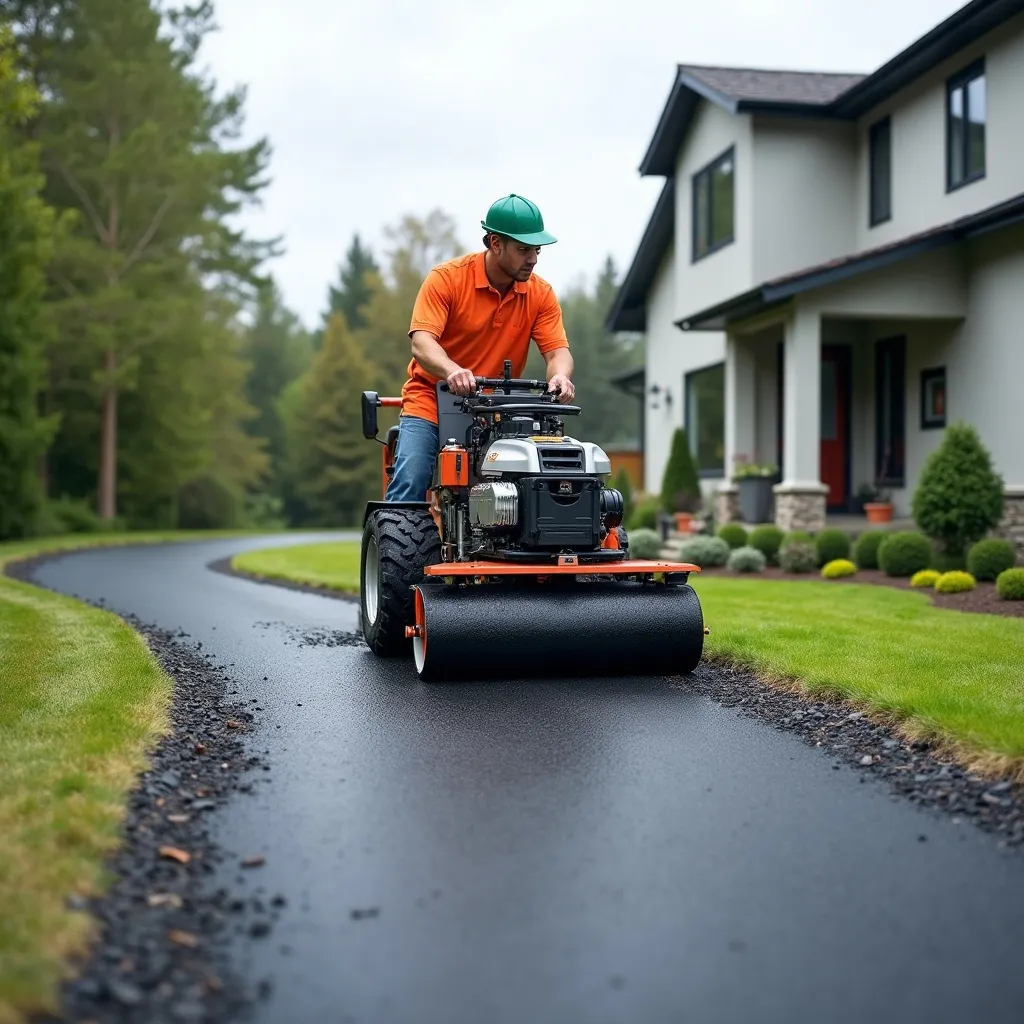
Guide to Finding an Knowledgeable Paving Contractor
When selecting an seasoned paving contractor, one might ask what critical elements to evaluate. First, it is vital to check the contractor's qualifications, encompassing licenses and insurance, to verify compliance with local regulations and safeguard against liabilities. Next, studying customer testimonials and past project portfolios can provide insight into the contractor's quality of work and trustworthiness.
Additionally, obtaining multiple estimates can help gauge the market rate for services and identify any red flags, such as unusually low bids. Experience in particular paving types, such as residential driveways or commercial parking lots, is another key consideration, as in-depth knowledge often leads to better outcomes. Communication skills are also important; a contractor should be attentive and willing to address questions or concerns. Finally, evaluating warranties or guarantees offered can indicate the contractor’s confidence in their work and commitment to customer satisfaction.
Best Choices for Your Driveway
When picking options for a driveway, homeowners frequently compare the advantages and disadvantages of asphalt and concrete. Each choice presents distinct characteristics that can impact durability and cost. Additionally, gravel offers a more budget-friendly alternative but includes its own set of benefits and drawbacks.
Asphalt vs. Concrete Alternatives
Which material offers the best balance of durability and cost for driveways: asphalt or concrete? Asphalt is often preferred for its lower initial cost and quicker assembly operation. It characteristically provides a refined coating that can weather unforgiving weather conditions, establishing it a viable choice for many homeowners. However, asphalt calls for routine preservation, including sealing and resurfacing, to maximize its service life.
Conversely, concrete is well-known for its durability and low maintenance demands. When correctly installed, concrete driveways can endure over 30 years. Besides, concrete presents a variety of aesthetic options, including decorative finishes. Although the initial investment is substantial, the lower maintenance needs can serve as a cost-effective approach in the long term. In the final analysis, the choice depends on personal preferences and budget.
Pros and Cons of Gravel
While asphalt and concrete are frequently chosen selections for driveways, gravel also represents a legitimate alternative with its own advantages and disadvantages. One significant advantage of gravel is its budget-friendly nature; it generally requires a reduced upfront cost compared to asphalt and concrete. Additionally, gravel delivers excellent drainage capabilities, reducing the likelihood of water pooling. However, it is not free from drawbacks. Gravel driveways can require regular maintenance, such as routine refilling and leveling to maintain an even surface. Furthermore, they may pose problems with erosion and can be less stable for heavily used spaces. Ultimately, the decision to select gravel should consider both its budget-friendly nature and the homeowner's commitment to spending in continuous maintenance.
Evaluating Customer Feedback: What to Look For
How can potential customers discern the quality of a paving contractor through client reviews? Examining these reviews requires focus on specific factors. First, customers should examine overall ratings; a high average score often suggests satisfactory service. Next, the quantity of reviews is essential; a greater volume provides a more dependable picture of the contractor's performance.
Clients should also scrutinize the details of individual assessments. Good reviews about timeliness, dialogue, and caliber of work is important. In addition, consistent themes in adverse reviews, such as poor customer service or project delays, can reveal potential pitfalls.
Additionally, responses from the contractor to reviews reveal their dedication and expertise to customer satisfaction. In conclusion, consider reviews from multiple sources to obtain a well-rounded perspective. By focusing on these elements, potential clients can make educated decisions regarding their paving contractor.
Critical Questions to Address With Your Pavement Specialist?
When choosing a asphalt contractor, asking the right questions can greatly impact the final result. It is essential to inquire about the contractor's experience and the types of projects they have completed. Comprehending their approach to materials and techniques can also offer understanding into the quality of work to anticipate.
Prospective customers should ask about licensing and insurance to guarantee the contractor meets regulatory standards and is safeguarded from potential liabilities. Additionally, discussing the project completion timeline and any possible postponements is essential.
Seeking information about protections on both components and workmanship can protect the investment. Ultimately, it's valuable to request citations or instances of earlier projects to evaluate the professional's credibility and craftsmanship. These inquiries not only clarify expectations but also set up a foundation for sound dialogue throughout the project.
Driveway Charges: What You Should Know
Understanding paving costs is important for homeowners evaluating a project. Various factors, including material options and expense, greatly impact the overall expense. Additionally, analyzing enduring benefits can help in reaching educated conclusions about paving investments.
Factors That Influence Paving Expenses
Several factors influence paving costs, making it vital for property owners to understand the variables at play. One major aspect is the size of the area to be paved; larger spaces typically carry higher costs due to increased material and labor requirements. Additionally, site conditions, such as soil quality and drainage, can affect pricing, as extensive preparation may be needed. Local labor rates also play an essential role; areas with a higher cost of living often have higher labor expenses. Moreover, the complexity of the project, including intricate designs or existing structures, can lead to greater costs. Finally, seasonal factors may influence pricing, as contractors often adjust rates based on demand fluctuations throughout the year.
Material Selections and Price Points
Diverse material options substantially influence paving costs, each presenting specific advantages and different cost structures. Asphalt, known for its affordability and speedy setup, typically ranges from $3 to $5 per square foot. Concrete, despite superior durability, can cost between $4 and $8 per square foot, depending on finish and thickness. Pavers, built from brick or stone, offer aesthetic appeal but generally range from $10 to $20 per square foot, including installation. Additionally, permeable paving choices, which facilitate water drainage, may cost more owing to their cutting-edge materials and installation techniques. Homeowners ought to consider these options deliberately, contrasting initial outlays with desired longevity and functionality for their driveways and roads.
Sustained Growth Considerations
When choosing pavement options, enduring worth is crucial in the overall decision-making process. Homeowners and contractors alike must evaluate not only the initial costs but also the durability, upkeep, and lifespan of the selected options. Asphalt paving, for instance, may offer reduced initial expenses but could demand more regular maintenance versus concrete, which tends to be more long-lasting over time. Additionally, elements including regional climate and traffic volume can influence the longevity of the paved surface. Choosing premium options may result in greater upfront costs, yet this choice can result in reduced maintenance costs and prolonged durability, ultimately delivering better value. A comprehensive assessment of these factors ensures well-reasoned choices for sustainable paving solutions.
Why Protection Plans and Maintenance Services Matter
While choosing a reliable paving contractor, the significance of warranties and maintenance services cannot be overlooked. Warranties serve as a protection for clients, guaranteeing that any defects in materials or workmanship are corrected without additional costs. A trusted contractor typically provides an comprehensive warranty that reflects their confidence in the quality of their work.
Moreover, aftercare services are vital in ensuring longevity of paved surfaces. Periodic maintenance, such as surface treatment and crack patching, helps stop more significant harm and considerable expenses in the future. A contractor that offers continuous support reflects their focus on customer satisfaction and the resilience of their work.
Thus, guarantees and post-purchase support not only improve the worth of the original purchase but also provide reassurance for homeowners and businesses alike. A trustworthy service provider emphasizes these aspects, fostering confidence and lasting partnerships with clients.
Routinely Questioned FAQs
What is the standard timeframe of the road construction?
Pavement installation typically requires one to three days, contingent on the scope and intricacy of the project. Variables such as weather, site preparation, and selection of materials can also impact the overall timeline substantially.
What Climate Factors Impact Paving Work?
Weather conditions markedly shape paving work. Rain, snow, and extreme temperatures can delay projects, while humidity levels sway the curing process. Ideal conditions, typically dry and mild, guarantee better adhesion and durability of the pavement.
How Do I Maintain My New Driveway Properly?
To maintain a new driveway, frequent washing, sealing every few years, and fixing cracks quickly are essential. Avoiding heavy loads and employing proper snow removal methods also extends its life and preserves its appearance.
What eco-friendly pavement choices are accessible currently?
Yes, numerous sustainable paving options can be supporting information found, encompassing permeable paving blocks, recycled asphalt pavement, and alternative concrete options created from environmentally responsible materials. These alternatives minimize environmental burden while providing robust and long-lasting surfaces for driveways and walkways.
Do I Have to Get a Permit for Asphalt Undertakings?
Permits may be necessary for paving projects, subject to local regulations. Homeowners should reach out to their municipal planning department to identify specific requirements, securing adherence and circumventing potential fines or project delays during construction.
Report this page